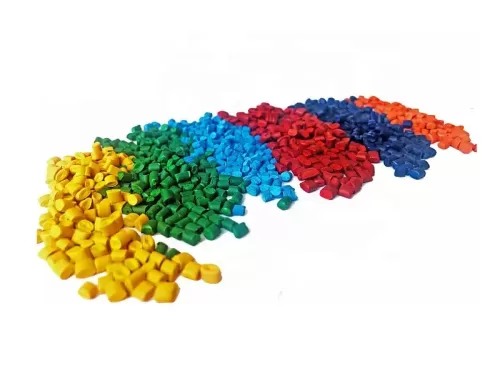
In the ever-evolving landscape of color masterbatches, nanotechnology stands as a transformative force, reshaping possibilities and pushing boundaries. This article delves into the impactful synergy between nanotechnology and color masterbatches, exploring how the integration of nanoscale innovations is revolutionizing the industry.
1. Nanoparticles: The Building Blocks of Transformation:
Nanoparticles, with their minuscule size and extraordinary properties, have become the building blocks of innovation in color masterbatches. These particles, often at the nanoscale, enable unprecedented control over color intensity, transparency, and dispersion, leading to vibrant hues and impeccable finishes.
2. Enhanced Pigment Dispersion and Stability:
Nanotechnology facilitates superior dispersion of pigments within the masterbatch matrix. The enhanced dispersion not only ensures consistent coloration but also improves the stability of the masterbatch, preventing undesirable effects such as agglomeration and sedimentation. This level of stability is paramount for industries requiring high-quality, uniform coloring.
3. Nanocoatings for Durability and Functionality:
Nanocoatings, developed through nanotechnology, are applied to color masterbatches to impart durability and additional functionalities. These coatings can provide resistance against UV radiation, abrasion, and chemicals, extending the lifespan of colored products and widening their applications in challenging environments.
4. Nanoscale Additives for Functional Masterbatches:
Nanotechnology enables the incorporation of specialized nanoscale additives into masterbatches. These additives can confer antimicrobial properties, flame resistance, or even conductive characteristics to the final product. Such functional masterbatches find applications in healthcare, automotive, electronics, and beyond, contributing to innovative solutions in various industries.
5. Sustainability Through Nanomaterials:
Nanotechnology plays a pivotal role in developing sustainable color masterbatches. By utilizing eco-friendly nanomaterials and efficient production processes, the industry can reduce environmental impact. Additionally, the precise control offered by nanotechnology minimizes wastage, making the manufacturing process more resource-efficient.
6. Challenges and Ethical Considerations:
While nanotechnology offers remarkable potential, it also raises challenges related to safety, regulation, and ethical concerns. The industry must navigate these aspects responsibly, ensuring that innovations align with stringent safety standards and ethical practices, fostering trust among consumers and stakeholders.
The integration of nanotechnology into the color masterbatch industry signifies a paradigm shift, propelling the sector into an era of unparalleled possibilities. From brilliant, stable colors to functional and sustainable solutions, nanotechnology empowers manufacturers to create products that meet the demands of a rapidly evolving market. By embracing responsible innovation and addressing challenges conscientiously, the industry can continue its journey towards a vibrant, sustainable, and technologically advanced future.