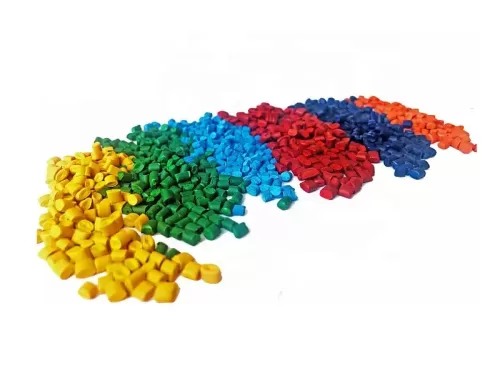
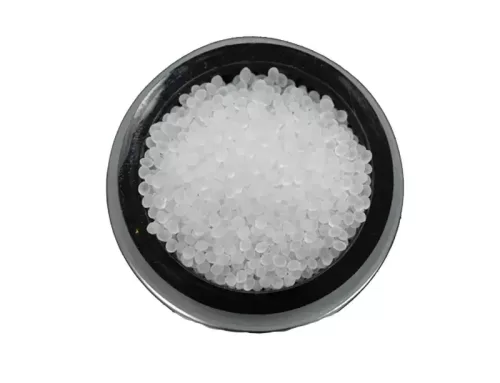
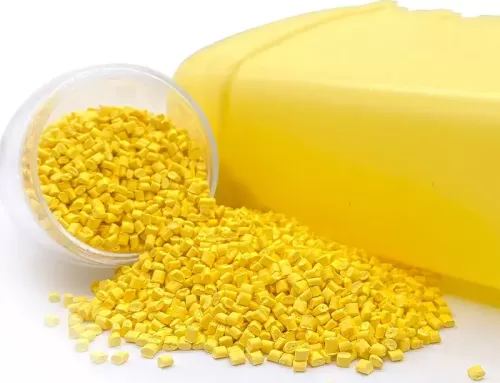
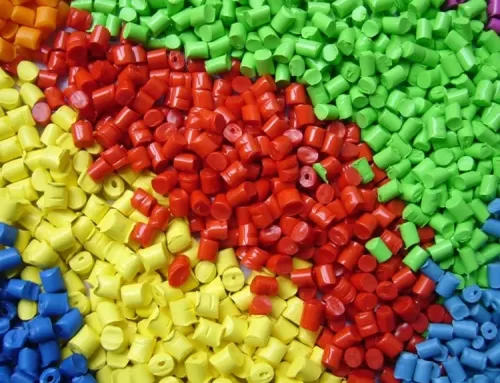
In the dynamic landscape of color masterbatches, technological advancements continually shape the industry. One such groundbreaking innovation is the integration of 3D printing technology, a game-changer that offers unprecedented possibilities. This article delves into the fascinating realm where 3D printing and color masterbatches converge, opening doors to innovative applications and creative solutions.
1. Precision Color Matching with 3D Printing:
3D printing technology allows for intricate designs and complex geometries. Masterbatch producers leverage this capability to precisely match colors according to client specifications. Whether it’s creating vibrant prototypes or producing intricate parts, 3D printing ensures accurate color replication.
2. Customization and Personalization:
One of the significant advantages of 3D printing is its ability to cater to personalized demands. Color masterbatches for 3D printing empower manufacturers and designers to customize products with specific color gradients, gradients, and textures. This level of customization finds applications in consumer products, healthcare, automotive, and more.
3. Enhancing Material Properties:
Color masterbatches are not limited to providing aesthetics alone. They can also enhance material properties. By incorporating specialized additives into masterbatches for 3D printing, manufacturers can create filaments with unique features, such as UV resistance, flame retardancy, or conductivity. This versatility opens doors to diverse industrial applications.
4. Sustainable 3D Printing Materials:
The global focus on sustainability extends to 3D printing. Masterbatch producers are developing eco-friendly colorants compatible with biodegradable and recycled materials. These sustainable masterbatches enable the production of environmentally conscious 3D printed products, aligning with the green initiatives of various industries.
5. Research and Development Frontiers:
The synergy between 3D printing and color masterbatches is a fertile ground for research. Ongoing studies explore novel colorant formulations, innovative printing techniques, and the integration of smart materials. These advancements not only broaden the scope of applications but also drive the industry towards unprecedented levels of creativity and functionality.
6. Future Prospects and Collaborations:
As both 3D printing and color masterbatch technologies continue to evolve, collaborations between research institutions, manufacturers, and end-users are becoming crucial. These partnerships foster innovation, enabling the development of new materials, techniques, and applications that were previously considered unattainable.
The fusion of 3D printing technology and color masterbatches exemplifies the industry’s spirit of innovation. From precise color replication to sustainable material solutions, this integration reshapes how products are designed, manufactured, and perceived. Embracing these advancements not only enhances the capabilities of manufacturers but also paves the way for a colorful, sustainable, and technologically advanced future.