The global shift towards sustainability has spurred innovations in various industries, and the realm of color masterbatches is no exception. we embark on an in-depth exploration of biodegradable color masterbatches, a pioneering area of research that holds immense promise in the quest for eco-friendly solutions.
1. Understanding Biodegradable Color Masterbatches:
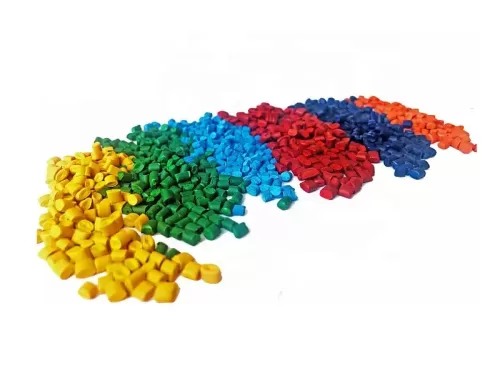
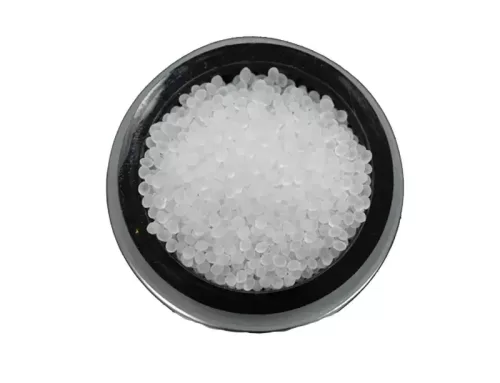
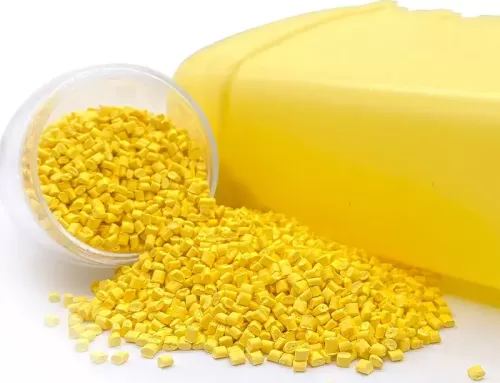
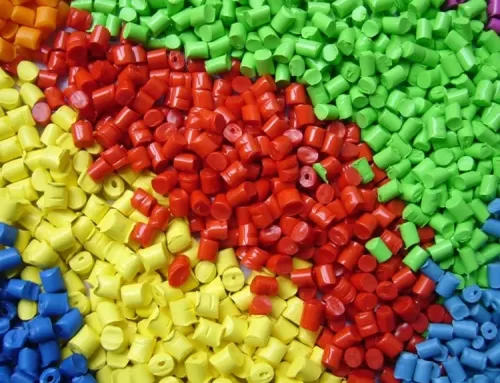
Biodegradable color masterbatches are engineered to combine vibrant hues with the ability to break down naturally over time. Unlike traditional masterbatches, these formulations are created with biodegradable polymers and organic pigments, ensuring they are environmentally benign and leave minimal ecological impact.
2. The Importance of Biodegradability:
Traditional plastics persist in the environment for centuries, contributing to pollution and ecological harm. Biodegradable color masterbatches address this concern by offering a sustainable alternative. They degrade into natural substances, reducing the burden on landfills and marine ecosystems.
3. Raw Materials and Composition:
Biodegradable color masterbatches predominantly utilize polymers derived from renewable sources such as corn starch, sugarcane, or potato starch. These polymers are combined with natural pigments to create a spectrum of colors. The composition is carefully balanced to maintain color vibrancy while ensuring the material’s ability to biodegrade.
4. Versatile Applications:
Biodegradable color masterbatches find applications across diverse sectors. They are utilized in packaging materials, disposable cutlery, agricultural films, and even in medical and cosmetic industries. The versatility of these masterbatches allows for seamless integration into existing manufacturing processes.
5. Challenges and Innovations:
While biodegradable color masterbatches represent a significant leap towards sustainability, challenges such as cost-effectiveness and durability still exist. Ongoing research focuses on enhancing the mechanical properties of these materials while exploring innovative ways to reduce production costs, making them more accessible to a wider market.
6. Environmental Benefits:
The environmental benefits of biodegradable color masterbatches are multifold. They reduce the demand for fossil fuels, lower carbon emissions during production, and mitigate plastic pollution. Additionally, the degradation process produces organic matter, enriching soil quality and supporting plant growth.
The development and widespread adoption of biodegradable color masterbatches mark a pivotal moment in the pursuit of sustainable practices within the plastics industry. As research and technology continue to advance, these masterbatches are poised to play a pivotal role in reducing the environmental impact of plastic products. By delving deeper into this transformative field, manufacturers contribute to a greener, more sustainable future for generations to come.