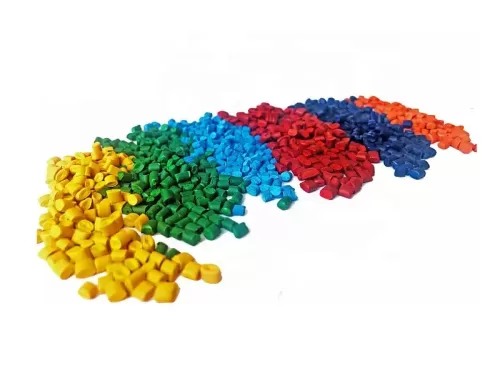
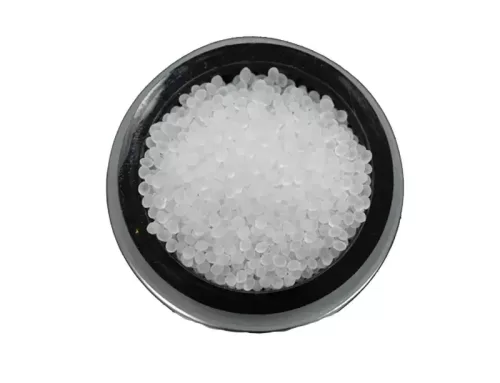
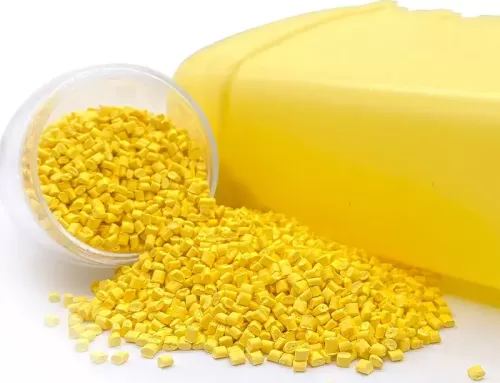
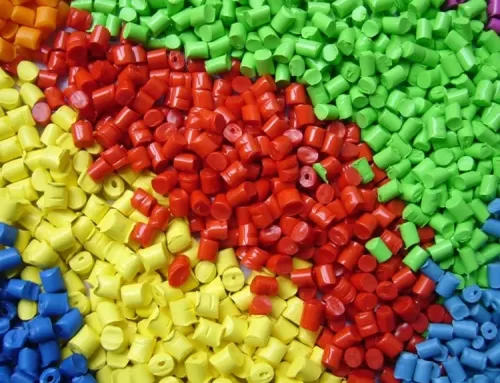
Color masterbatch production is a sophisticated process that blends science and artistry, transforming raw materials into vibrant pigments that enrich various industries. we explore the intricacies of color masterbatch manufacturing, shedding light on the advanced techniques and careful formulations that give life to an extensive array of hues.
1. Raw Material Selection:
The journey of color masterbatch begins with the selection of high-quality pigments and carriers. Pigments are chosen based on their color properties, stability, and compatibility with the intended application. Carriers, often polymer resins, bind the pigment particles and influence the masterbatch’s physical properties.
2. Pre-Production Analysis:
Prior to production, thorough analysis of pigment characteristics is conducted. Factors such as color strength, heat stability, and lightfastness are assessed. This analysis ensures that the final masterbatch meets industry standards and customer requirements.
3. Compounding and Mixing:
The selected pigments and carriers are precisely compounded in specialized equipment. During compounding, the pigment is evenly distributed within the carrier resin. Advanced mixing technologies ensure uniform dispersion, critical for achieving consistent coloration in the final product.
4. Pelletizing Process:
After thorough mixing, the homogenized material is passed through an extrusion process, forming colored strands. These strands are then cooled and cut into uniform pellets. The size and shape of these pellets are crucial, as they impact the masterbatch’s flow characteristics and ease of incorporation into various manufacturing processes.
5. Quality Control:
Stringent quality control measures are implemented throughout the production process. Samples are regularly collected and analyzed to verify color accuracy, dispersion, and overall quality. Advanced spectroscopic tools and color-matching equipment are used to maintain precision and consistency.
6. Customization and Innovation:
Color masterbatch production is not just a science; it’s an art. Manufacturers work closely with clients to create custom formulations tailored to specific applications. Innovation plays a significant role, with research and development teams constantly exploring new pigments and technologies to expand the color palette and improve performance.
7. Environmental Considerations:
Responsible manufacturing practices are integrated into the production process. Efforts to minimize waste, optimize energy usage, and reduce emissions are standard. Additionally, eco-friendly carriers and pigments are explored to align with sustainable initiatives.
Color masterbatch production is a blend of technical expertise, creativity, and a commitment to quality. Through meticulous raw material selection, precise compounding, and rigorous quality control, manufacturers craft masterbatches that not only add color but also enhance the properties of countless products. This intricate process continues to evolve, driving the industry towards innovative solutions and a spectrum of vibrant possibilities.