Thin films play a crucial role in various industries, offering lightweight, flexible, and cost-effective solutions for packaging, labeling, and more. To enhance both the aesthetic appeal and functional attributes of thin films, color masterbatch, a type of functional additive, is often employed. This article delves into the significance of color masterbatch as a functional additive in thin films and its diverse applications across industries.
Color Masterbatch in Thin Films:
Aesthetic Enhancement:
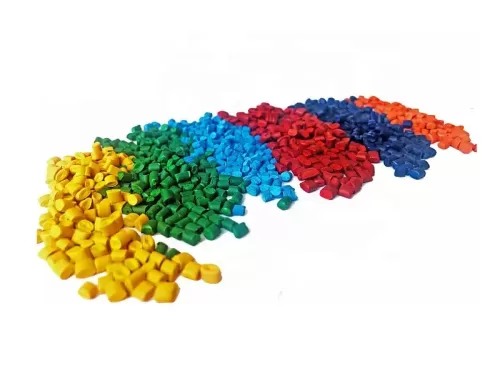
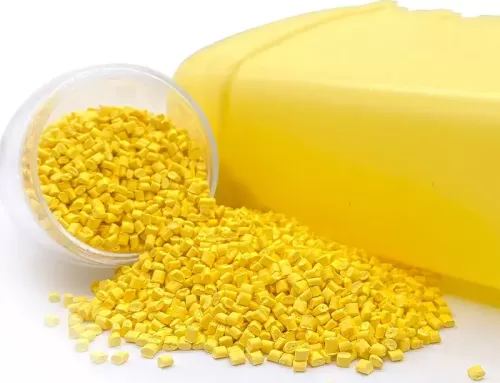
Color masterbatch imparts vibrant and consistent colors to thin films, enhancing their visual appeal and brand recognition.
Product Differentiation:
By incorporating distinct colors, manufacturers can differentiate their products in a competitive market, making them easily recognizable to consumers.
Customization:
Color masterbatch enables the creation of custom colors, allowing manufacturers to cater to specific brand requirements or design preferences.
Brand Identity:
Consistent color schemes in thin films reinforce brand identity and promote brand awareness among consumers.
Transparency and Opacity:
Color masterbatch can adjust the transparency or opacity of thin films, catering to specific packaging needs.
UV Protection:
UV-resistant color masterbatch helps in preventing degradation and color fading caused by exposure to sunlight.
Applications of Color Masterbatch in Thin Films:
Packaging Industry:
Colorful and visually appealing packaging attracts consumers’ attention and influences their purchasing decisions.
Labeling:
Colored thin films are used for labels, stickers, and graphics, contributing to product information and branding.
Agricultural Films:
Color masterbatch in agricultural films aids in UV protection and temperature control, optimizing crop growth conditions.
Industrial Applications:
Colored thin films are utilized for protective covers, safety signs, and identification tags in industrial settings.
Healthcare and Pharmaceuticals:
Colorful thin films are employed for medical packaging, ensuring accurate product identification and differentiation.
Benefits of Color Masterbatch in Thin Films:
Visual Appeal:
Colorful films capture attention, making them ideal for marketing and brand promotion.
Functional Versatility:
In addition to color, masterbatch can incorporate other functionalities like UV resistance, flame retardancy, and antimicrobial properties.
Design Flexibility:
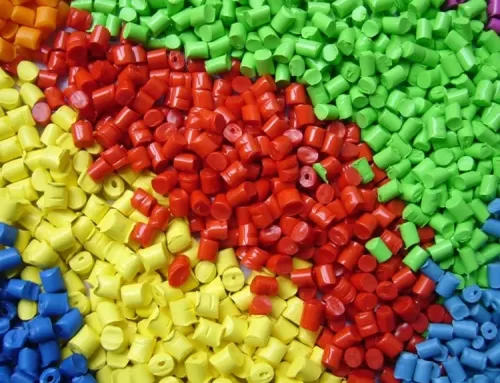
Manufacturers can achieve a wide range of colors and effects, catering to diverse design requirements.
Durability:
UV-resistant and weather-resistant masterbatch enhances the longevity of colored films, maintaining their appearance over time.
Color masterbatch, as a functional additive, significantly enhances the visual appeal and functional attributes of thin films. By incorporating vibrant colors and potentially other functionalities, manufacturers can create thin films that not only stand out but also meet specific application needs across industries. The versatility, customization options, and overall enhancement that color masterbatch provides make it an indispensable tool for achieving both aesthetic and functional excellence in thin film applications.