The world of plastics is enriched by various additives that enhance its properties and aesthetics. Two such additives, Plastic Color Masterbatch and Plastic Filler Masterbatch, play distinct roles in plastic production. This article aims to shed light on the differences between these two types of masterbatches, exploring their individual characteristics and applications.
Plastic Color Masterbatch:
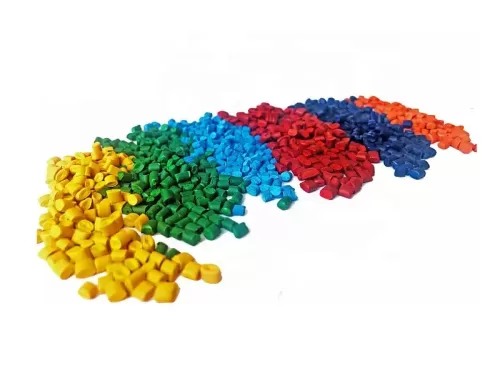
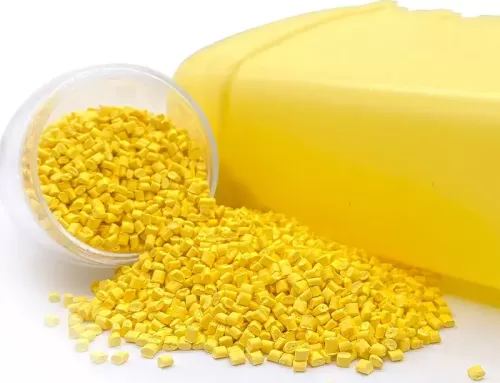
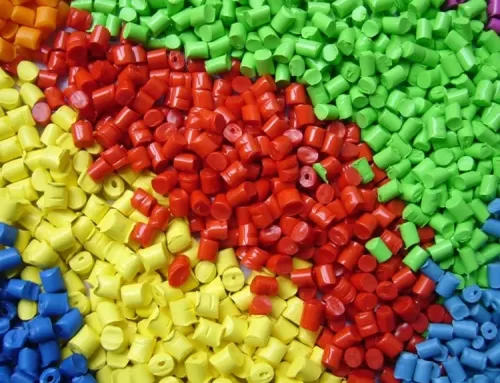
Plastic Color Masterbatch is a concentrated mixture of pigments or dyes encapsulated in a carrier resin. Its primary purpose is to impart vibrant and consistent coloration to plastics, enhancing the visual appeal of end products. Key attributes include:
Color Enhancement:
Plastic Color Masterbatch is designed to provide accurate and consistent coloration across various plastic materials.
Aesthetic Appeal:
It enhances the visual appearance of plastic products, making them more attractive and appealing to consumers.
Wide Applications:
Plastic Color Masterbatch finds use in industries such as packaging, consumer goods, automotive, and more, where color consistency is crucial.
Plastic Filler Masterbatch:
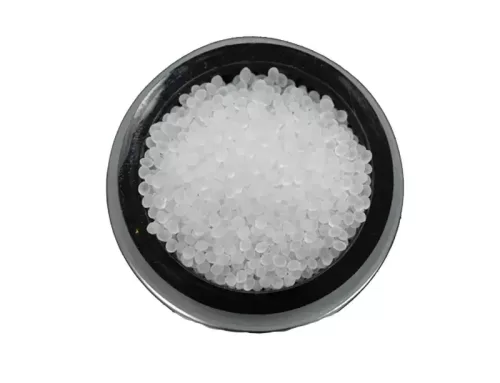
Plastic Filler Masterbatch is formulated with mineral fillers, such as calcium carbonate or talc, embedded in a carrier resin. Its main function is to modify the physical properties of plastics while reducing production costs. Notable characteristics include:
Density Modification:
Plastic Filler Masterbatch alters the density of plastic materials, resulting in reduced material consumption and overall cost savings.
Improved Mechanical Properties:
It enhances the stiffness, impact resistance, and other mechanical attributes of plastic products.
Cost-Effectiveness:
By incorporating lower-cost fillers, Plastic Filler Masterbatch offers an economical way to achieve desired material properties.
Key Differences:
Purpose and Function:
Plastic Color Masterbatch is primarily utilized for adding color and enhancing aesthetics, while Plastic Filler Masterbatch focuses on modifying material properties and reducing costs.
Composition:
Color Masterbatch contains colorants (pigments or dyes) and carrier resin, while Filler Masterbatch contains mineral fillers and carrier resin.
Application Areas:
Color Masterbatch is ideal for applications where consistent coloration is essential, while Filler Masterbatch is suitable for products requiring specific mechanical properties.
Plastic Color Masterbatch and Plastic Filler Masterbatch serve distinct roles in plastic production, with Color Masterbatch adding vibrant coloration and enhancing aesthetics, and Filler Masterbatch modifying material properties and reducing costs. Understanding their differences empowers manufacturers to make informed decisions based on the specific requirements of their products, ultimately contributing to the production of high-quality plastic items across various industries.