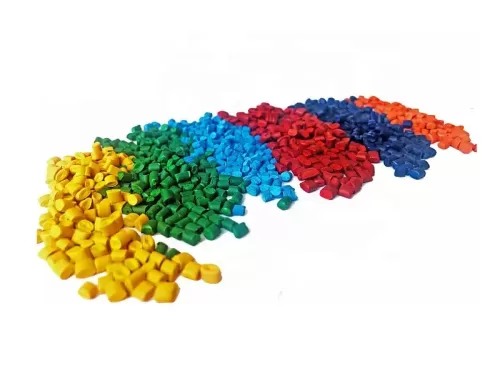
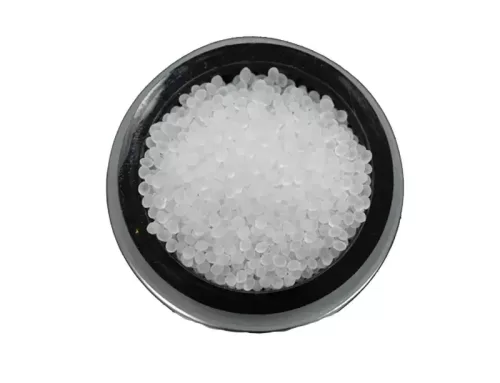
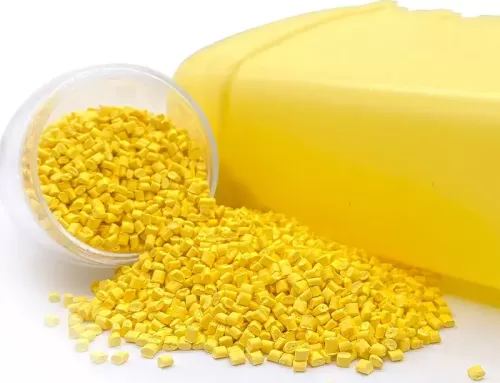
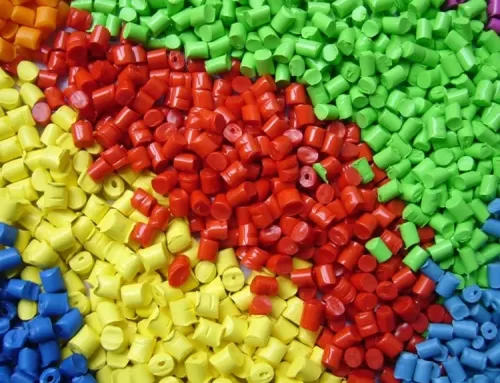
As a color masterbatch manufacturer, it is essential to understand various types of plastic masterbatch formulations and their specific applications. This article delves into the analysis techniques used for different types of masterbatch formulations, including color masterbatch, filler masterbatch, film masterbatch, and functional masterbatch. By exploring these techniques, we can enhance our expertise in creating tailor-made solutions that meet the diverse needs of our customers in the plastics industry.
Color Masterbatch Formulation Analysis:
a. Pigment Selection: Careful selection of pigments is critical for achieving desired color vibrancy and stability. Analyzing the compatibility of pigments with the base polymer ensures consistent color performance.
b. Dispersion Evaluation: Effective dispersion of colorants in the carrier resin is essential for uniform color distribution. Analyzing dispersion quality aids in improving color consistency and eliminating color defects.
Filler Masterbatch Formulation Analysis:
a. Filler Selection: Identifying the appropriate type and size of fillers is crucial to enhance the mechanical properties and reduce production costs. Analyzing filler interactions with the polymer matrix influences the final product’s strength and rigidity.
b. Filler Loading Optimization: Analyzing the optimal filler loading percentage ensures a balance between mechanical enhancement and maintaining processability.
Film Masterbatch Formulation Analysis:
a. Additive Incorporation: Film masterbatches often contain functional additives such as slip agents, anti-block agents, and UV stabilizers. Analyzing the compatibility and effectiveness of these additives enhances film properties and performance.
b. Film Thickness Variation: Careful analysis of film thickness variation helps achieve consistent and reliable film properties for specific applications.
Functional Masterbatch Formulation Analysis:
a. Functional Additive Selection: Different functional masterbatches cater to specific performance requirements, such as flame retardancy, antistatic properties, or antimicrobial attributes. Analyzing the compatibility of functional additives with the base polymer ensures the desired functional enhancement.
b. Application-Specific Performance Analysis: Understanding the critical performance parameters and analyzing the masterbatch’s efficiency in meeting those requirements enhances the product’s suitability for various end-uses.
Analytical Techniques for Masterbatch Formulations:
a. Fourier Transform Infrared Spectroscopy (FTIR): FTIR is used to identify functional groups in the masterbatch formulation, aiding in assessing polymer compatibility and additive interactions.
b. Differential Scanning Calorimetry (DSC): DSC helps analyze melting points, crystallinity, and thermal properties, crucial in understanding the material’s behavior during processing.
c. Scanning Electron Microscopy (SEM): SEM provides detailed morphological information, assisting in evaluating dispersion quality and filler-polymer interactions.
Analyzing and optimizing various masterbatch formulations is a fundamental aspect of our role as a color masterbatch manufacturer. By leveraging advanced analytical techniques and understanding the intricate details of color masterbatch, filler masterbatch, film masterbatch, and functional masterbatch formulations, we can design bespoke solutions that meet our customers’ specific requirements. Embracing continuous research and development in formulation analysis empowers us to stay at the forefront of the plastics industry, providing innovative and high-quality masterbatch solutions to our valued clientele.