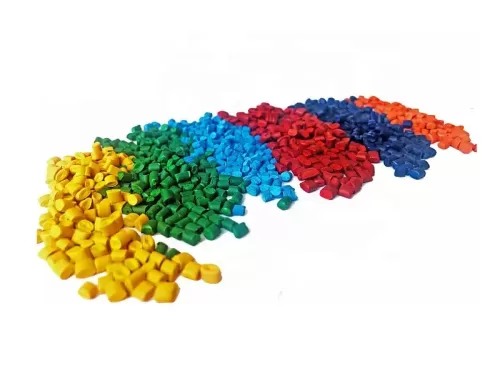
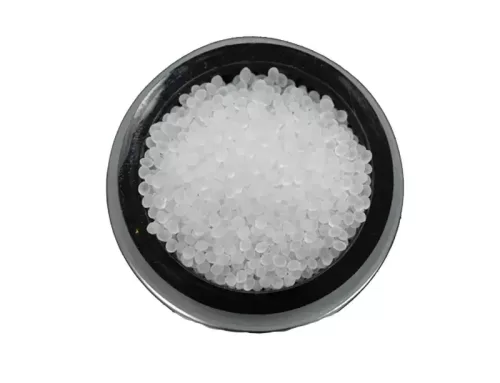
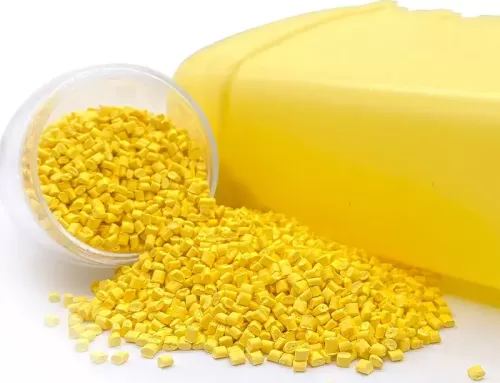
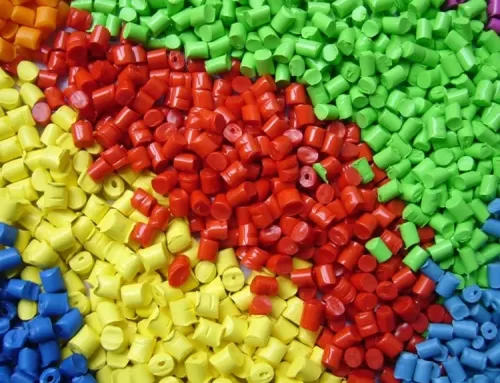
Color masterbatch is an important raw material for plastic coloring and is widely used in the production process of plastic products. Understanding the composition, classification and grade of masterbatches is crucial for both manufacturers and users. This article will introduce the composition, classification and grade knowledge of color masterbatches to help readers better understand and choose suitable color masterbatches, so as to improve product quality and production efficiency.
1. Composition of masterbatch:
Carrier resin: The main component of masterbatch is carrier resin, usually polyethylene (PE), polypropylene (PP), polyvinyl chloride (PVC), etc. The carrier resin plays the role of connecting pigments and additives in the masterbatch, and its performance and quality have a great influence on the performance of the masterbatch.
Pigment: Pigment is the key ingredient to give the masterbatch the desired color. Organic pigments, inorganic pigments or specialty pigments can be used as required. The quality and dispersibility of pigments have an important influence on the coloring effect and stability of masterbatch.
Additives: Additives are auxiliary components added to improve the performance of masterbatches, such as light stabilizers, antioxidants, flow agents, etc. The selection and dosage of additives need to be adjusted according to specific requirements.
Second, the classification of masterbatch:
According to different applications and characteristics, masterbatches can be divided into many different categories:
Classified by use: such as general-purpose masterbatch, food-grade masterbatch, medical masterbatch, high-gloss masterbatch, etc., suitable for plastic products in different fields.
Classified by carrier resin: such as PE masterbatch, PP masterbatch, PVC masterbatch, etc., choose suitable masterbatch according to different carrier resins.
Classified by color: such as black masterbatch, white masterbatch, color masterbatch, etc., choose the masterbatch of the required color according to the needs.
3. Grade of masterbatch:
Primary color masterbatch: Primary color masterbatch is usually prepared from high-quality raw materials, with bright colors, good dispersion, high weather resistance and heat resistance, and is suitable for high-demand plastic products.
Secondary color masterbatch: Secondary color masterbatch is different from primary color masterbatch in terms of color and performance, and is suitable for plastic products with general requirements.
General-purpose color masterbatch: The color of general-purpose color masterbatch is relatively common, and it is suitable for coloring general plastic products.
As the key raw material for coloring plastic products, color masterbatches, the selection of its composition, classification and grade are crucial to product quality and performance. By understanding the composition and classification of different color masterbatches, we can select the appropriate color masterbatch according to specific needs, so as to meet the requirements of different industries and products. As a color masterbatch manufacturer, we will continue to optimize the composition and classification of color masterbatches, provide high-quality color masterbatch products, and provide reliable coloring solutions for customers’ plastic products.