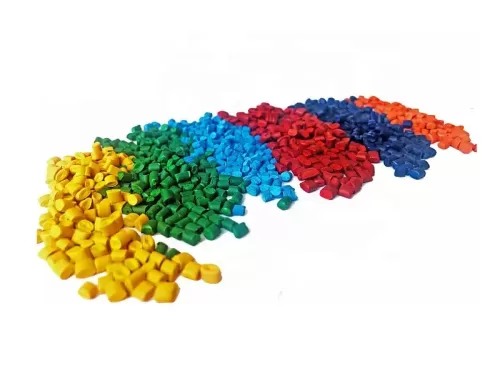
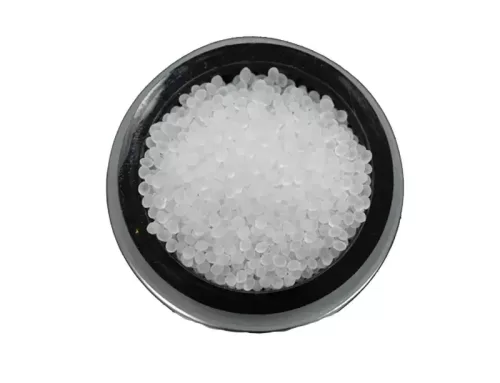
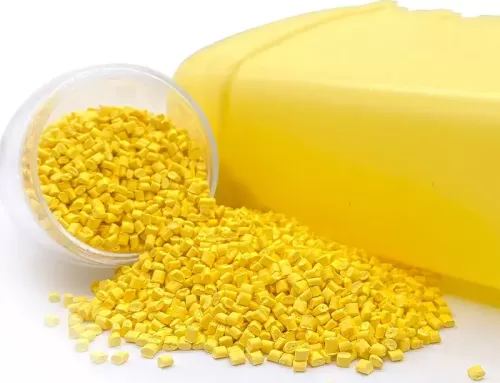
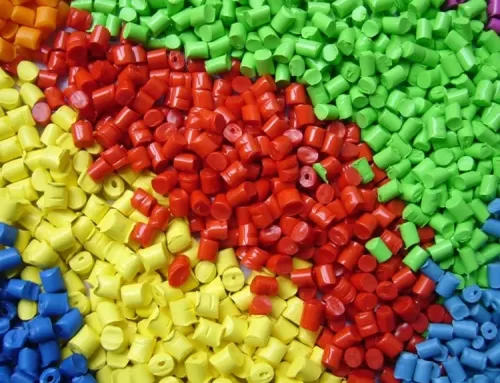
Masterbatch is an important raw material for coloring plastic products, and its production process is crucial to ensure the quality and performance of masterbatch. This article will comprehensively introduce the main process of masterbatch production process, from raw material preparation to finished product packaging, to help masterbatch manufacturers better understand the process flow, and improve production efficiency and product quality.
1. Raw material preparation:
Carrier resin: Selecting a suitable carrier resin is the basis for masterbatch production. Commonly used carrier resins include polyethylene (PE), polypropylene (PP), polyvinyl chloride (PVC) and the like. According to customer needs and product requirements, determine the type of carrier resin used.
Pigments and additives: According to the desired color effect, select the appropriate pigments and additives. Pigments should have good dispersibility, light resistance, and heat resistance. Additives can include light stabilizers, antioxidants, etc., to improve the stability and weather resistance of the masterbatch.
2. Mixing and premix preparation:
Mixing: Add carrier resin, pigments, additives and other raw materials into the mixer according to a certain proportion, and mix them thoroughly. During the mixing process, it is necessary to ensure that the pigments and additives can be evenly dispersed in the carrier resin to form a uniform premix.
Premix preparation: The mixed raw materials are further processed into granular premix. During the preparation of the premix, processes such as extrusion and cutting are usually used to form the precursor of the masterbatch.
3. Melting and extrusion:
Melting: Put the premixed material into the melting equipment to melt it at high temperature to become a melt. During the melting process, it is necessary to control the melting temperature and time to ensure that the raw materials are fully melted.
Extrusion: The molten melt is extruded through an extruder to form a continuous masterbatch strip. The design and parameters of the extruder have a significant impact on the quality and yield of the masterbatch.
4. Cooling and cutting:
Cooling: The color masterbatch is rapidly cooled by the cooling device to solidify into granular color masterbatch.
Cutting: The cured masterbatch is cut by cutting equipment to make it reach the required particle size and shape.
5. Screening and packing:
Screening: The cut masterbatch is screened by a screening device to remove particles that do not meet the specifications and ensure product quality.
Packaging: The color masterbatches that meet the requirements are packaged, and labels and product information are attached. The quality and method of packaging should meet the requirements of transportation and storage.
The masterbatch production process involves the main processes of raw material preparation, mixing and premix preparation, melting and extrusion, cooling and cutting, screening and packaging. Understanding and mastering these processes is critical to improving production efficiency and ensuring product quality. As a masterbatch manufacturer, we will continue to optimize the process flow, improve the production technology level, and provide customers with high-quality color masterbatch products and services.
Note: The specific production process will be affected by different color masterbatch types and customer requirements, and needs to be adjusted and optimized according to the actual situation.