introduction:
High-concentration color masterbatch plays an important role in the plastics industry, and the research on its preparation process and rheological behavior is of great significance to color masterbatch manufacturers and plastic product manufacturers. This paper will focus on the preparation method of high-concentration color masterbatch and its rheological behavior during processing, so as to enhance the understanding of high-concentration color masterbatch technology and provide reference for improving product quality and production efficiency.
1. Preparation method of high concentration masterbatch:
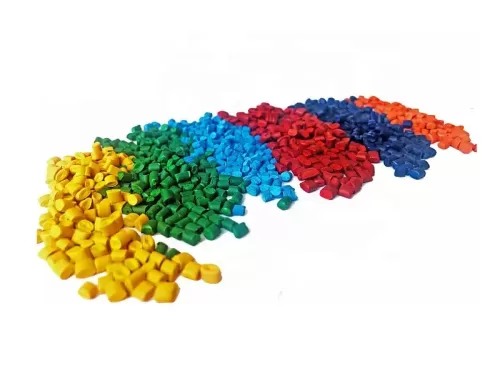
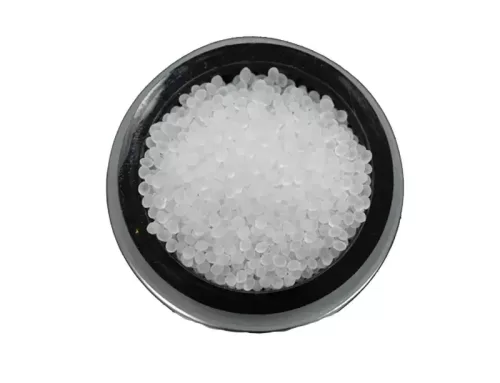
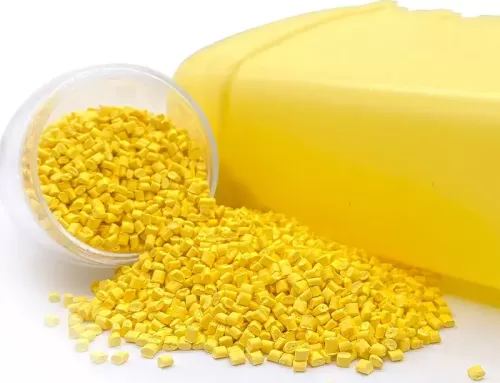
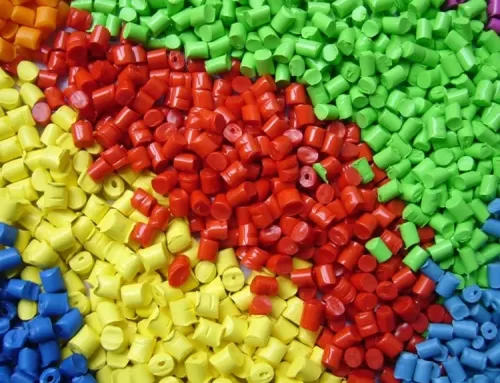
Masterbatch preparation: The preparation of high-concentration color masterbatch is usually carried out through the masterbatch preparation process. In this process, the pigments, additives and carrier resin contained in the masterbatch are fully mixed, and made into small particles by extrusion, cutting and other processes, which are called masterbatches.
High-concentration: The masterbatch is further processed into high-concentration color masterbatch by heating, mixing and other methods. The color concentration of high-concentration masterbatch is usually above 30%, which can be adjusted according to needs.
2. Research on rheological behavior of high-concentration masterbatch:
Melt fluidity: The melt fluidity of high-concentration color masterbatch is an important factor affecting its processing performance. Rheological testing is an effective method to study melt fluidity. By measuring the relationship between shear stress and shear rate, the melt flow and viscosity characteristics of high-concentration color masterbatch can be understood.
Color Stability: Color stability in high-concentration masterbatches is another key specification. Studying the color stability of masterbatches under high temperature and high shear conditions can help evaluate their color performance and durability during processing.
Mixing effect: The preparation of high-concentration masterbatches usually requires mixing to ensure that the pigments and additives are fully dispersed in the carrier resin. By studying the effect of mixing parameters on the mixing effect, the preparation process can be optimized and the quality of the masterbatch can be improved.
Thermal stability: The thermal stability of high-concentration masterbatch refers to its stability and durability under high temperature conditions. By studying the thermal stability of the masterbatch at different temperatures and times, its performance during processing and use can be evaluated.
in conclusion:
The preparation method and rheological behavior of high-concentration masterbatches are of great significance to manufacturers of color masterbatches and plastic products. By optimizing the preparation method and in-depth study of rheological behavior, the quality and processing performance of high-concentration masterbatches can be improved, and at the same time, more choices and possibilities can be provided for the production of plastic products. As a masterbatch manufacturer, we will continue to pay attention to the research and development of high-concentration masterbatches, continuously improve product quality and technical level, and provide customers with better products and services.
Note: The preparation method and rheological behavior of high-concentration masterbatches is a complex field involving multiple factors and parameters. The specific research content needs to be in-depth research and experiments according to the actual situation.