introduction:
As a masterbatch manufacturer, understanding and mastering the proper processing parameters is crucial to improving production efficiency and ensuring product quality. This article will introduce the processing parameters of masterbatches, including the amount of feed, melt temperature, melt fluidity, etc., to help you optimize the production process, improve product quality, and reduce production costs.
1. Feeding amount:
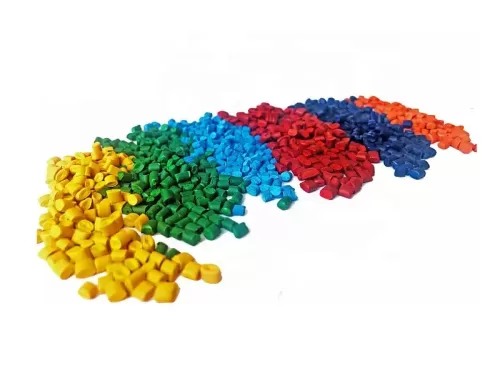
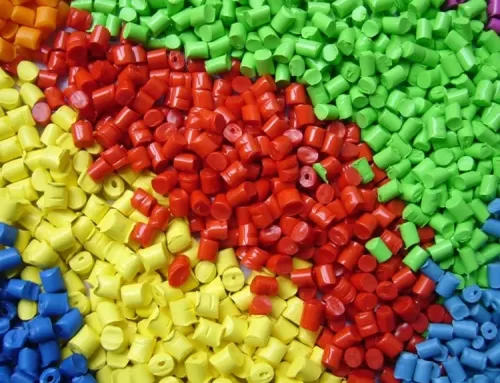
The amount of masterbatch should be determined according to the target color ratio. According to the desired color and effect, accurately calculate and control the amount of masterbatch added to ensure uniform and consistent color of the final product.
The appropriate amount of feed can be adjusted according to the equipment and process used. For different equipment and processes, experiments and adjustments are required to determine the optimal dosage to fully utilize the masterbatch and avoid waste.
2. Melt temperature:
Melt temperature is one of the important parameters in masterbatch processing. Too low melt temperature may lead to insufficient melting of the masterbatch, affecting the uniform dispersion and color performance of the masterbatch; too high melt temperature may cause the decomposition and discoloration of the masterbatch.
Determining the proper melt temperature requires consideration of the melting point of the raw material, the characteristics of the equipment, and the desired product properties. Experiment and adjust to find the optimum melt temperature range to ensure the masterbatch melts well and maintains consistent properties.
3. Melt fluidity:
Melt fluidity refers to the ability of the masterbatch to flow in the molten state. Proper melt fluidity can ensure that the color masterbatch is evenly dispersed in the plastic matrix, and avoid the occurrence of undesirable phenomena such as air bubbles and color spots.
Adjusting melt fluidity can be achieved by adjusting processing temperature, extrusion speed and die design. According to specific needs and product requirements, conduct experiments and adjustments to find the appropriate range of melt fluidity to obtain ideal product appearance and performance.
4. Color stability:
Color stability refers to the ability of the masterbatch to not fade or change color during processing and use. Choosing a masterbatch with good color stability can ensure that the product maintains a stable color under different environmental conditions.
Color stability is affected by many factors, including the formula, quality, processing temperature and use environment of the masterbatch. Selection of high-quality masterbatches and proper control of processing parameters are the key to ensuring color stability.
in conclusion:
Optimization of processing parameters is crucial for the production of masterbatches. Proper control of feeding amount, melt temperature, melt fluidity and color stability can improve production efficiency, ensure product quality, and meet customer needs. As a masterbatch manufacturer, we will continue to strive to optimize processing parameters, provide high-quality, consistent color masterbatch products, and meet customer requirements and expectations.
Note: The determination of actual processing parameters needs to consider factors such as specific equipment, materials and processes, and conduct experiments and adjustments to obtain the best processing effect and product quality.