introduction:
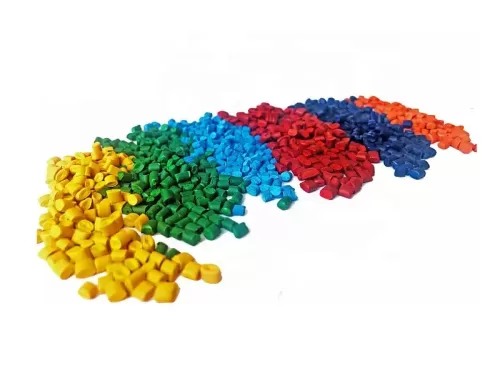
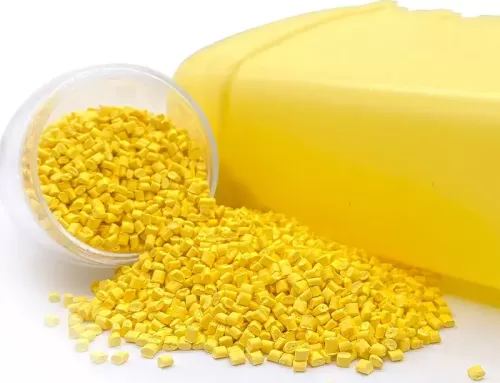
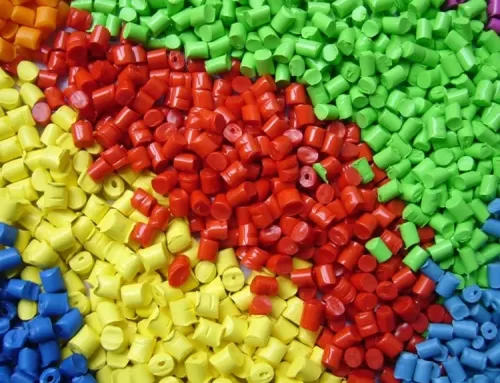
As a masterbatch manufacturer, we understand that masterbatches are commonly used color additives in the plastics industry. Masterbatches are granular products consisting of pigments and carrier materials used to add color to plastic products. This article will introduce in detail the composition and production process of masterbatches, as well as the selection and ratio of pigments and carrier materials.
1. Composition of masterbatch:
Pigment: Pigment is the key ingredient of masterbatch, which is used to give plastic products the desired color. Pigments can be organic pigments or inorganic pigments, with good light fastness, heat resistance and color stability.
Carrier material: The carrier material is the basis of the masterbatch and is used to stably disperse the pigment in the plastic. Commonly used carrier materials include resins, such as polyethylene (PE), polypropylene (PP), etc., as well as other additives and auxiliaries.
Second, the production process of masterbatch:
Pigment pretreatment: Pigments usually need to be pretreated, such as crushing, dispersing, wetting, etc., to improve the dispersibility and processability of the pigment.
Dosing and mixing: According to the required color effect and product requirements, the pretreated pigments and carrier materials are compounded according to a certain ratio, and mixed by stirring or extrusion, so that the pigments are evenly dispersed in the carrier materials.
Granulation and granulation: The mixed pigment and carrier material are granulated by extrusion, cutting and other methods to form granular color masterbatch products.
3. Selection of pigments and carrier materials:
Pigment selection: Select suitable organic or inorganic pigments according to the desired color effect and application requirements. Consider pigment properties such as lightfastness, heat resistance, chemical resistance and color stability.
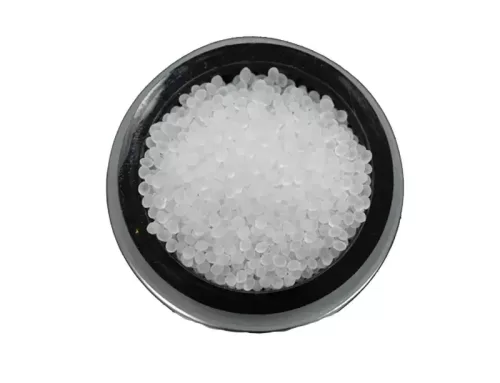
Carrier material selection: According to the characteristics and application requirements of the pigment, select a suitable carrier material, such as polyethylene (PE) masterbatch, polypropylene (PP) masterbatch, etc. Factors such as the material’s melting temperature, mechanical properties, and processability are considered.
4. Proportion and adjustment:
Ratio optimization: According to the desired color effect and product requirements, optimize and adjust the ratio to ensure that the ratio of pigments and carrier materials is appropriate to achieve the desired color effect.
Adjustment and improvement: According to the actual production and application conditions, make necessary adjustments and improvements to improve the performance and stability of the masterbatch.
in conclusion:
Masterbatches are granular products consisting of pigments and carrier materials used to add color to plastic products. By selecting appropriate pigments and carrier materials, and optimizing the ratio and production process, color masterbatch products with good color effects and stability can be produced. As a masterbatch manufacturer, we will continue to research and improve to provide high-quality masterbatches to meet the needs and expectations of customers.