introduction:
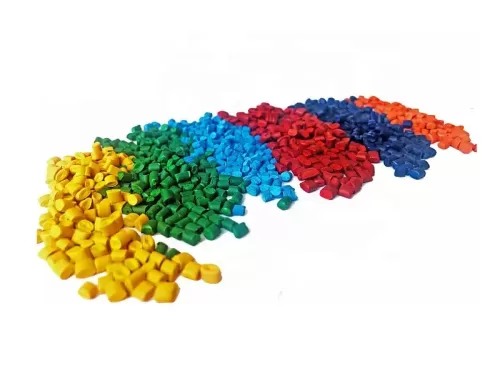
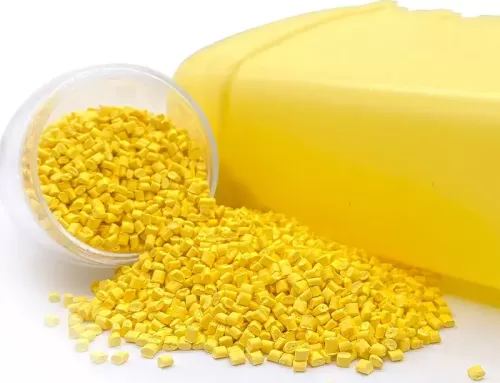
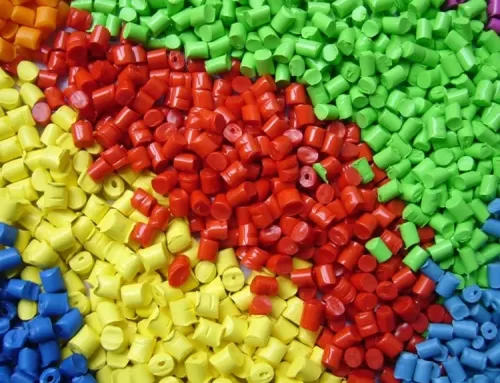
High-concentration masterbatches are a special type of masterbatch with a higher concentration of pigments used to achieve more vivid and deeper color effects. However, for some users, the use of high-concentration masterbatches may be unfamiliar, because their methods and techniques may be slightly different. This article will share some tips to help improve the color matching results of high concentration masterbatches, so that you can become more familiar with and effectively apply this type of masterbatch.
1. Accurate pigment concentration measurement:
Understand the pigment concentration: High concentration masterbatches usually have a specific pigment concentration, such as 20%, 30% or higher. Make sure you know exactly the pigment concentration of the masterbatch you are using for proper metering and proportioning.
Use accurate weighing instruments: Use accurate weighing instruments for measurement and metering to ensure the high concentration of color masterbatch and base resin required for accurate proportioning.
2. Thoroughly mix and disperse:
Uniform mixing: High-concentration masterbatches need to be fully mixed and dispersed during the color matching process. Use efficient mixing equipment, such as a high-speed mixer or disperser, to ensure that the pigment is evenly dispersed in the base resin to avoid color spots or color differences.
Use of dispersant: According to need, add appropriate amount of dispersant to improve the dispersion performance of the pigment. Choose the appropriate type and amount of dispersant to get better dispersion effect.
3. Appropriately adjust the formula and process:
Formula optimization: adjust the amount of high-concentration color masterbatch in the formula according to the required color effect and physical performance requirements. Proper formulation optimization can improve color matching results and ensure that the resulting color is as expected.
Process control: Reasonably control process parameters such as processing temperature, processing time and processing speed to avoid excessive decomposition or degradation of high-concentration color masterbatch, which will affect color stability and product quality.
4. Small sample test and adjustment:
Run small-scale trials: Before large-scale production, small-scale trials are carried out to evaluate the effect of color matching. By adjusting the amount of high-concentration masterbatch, the amount of dispersant or other parameters, the formula is fine-tuned to achieve the desired color effect.
Pay attention to color development: Sometimes, the color of high-concentration masterbatches may change during the color matching process. Therefore, pay attention to observe the development of color matching samples, adjust and correct in time to obtain ideal color results.
in conclusion:
The use of high-concentration masterbatches may be relatively unfamiliar, but through accurate pigment concentration metering, thorough mixing and dispersion, proper adjustment of formula and process, and small sample testing and adjustment, color matching results can be improved and desired color effects can be achieved. When using high concentration masterbatches, remember to keep learning and trying new techniques to continuously improve the quality and consistency of color matching.