Introduction:
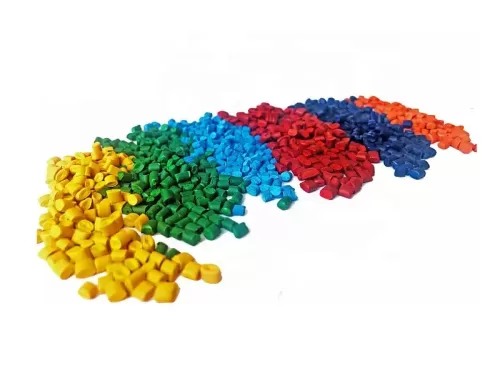
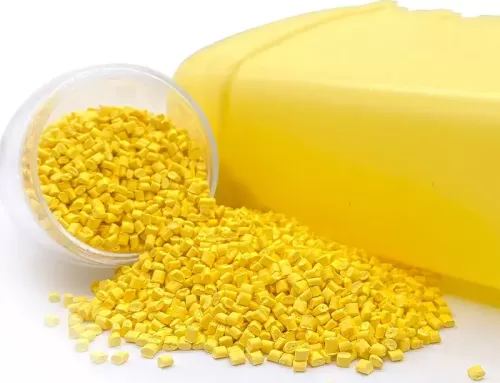
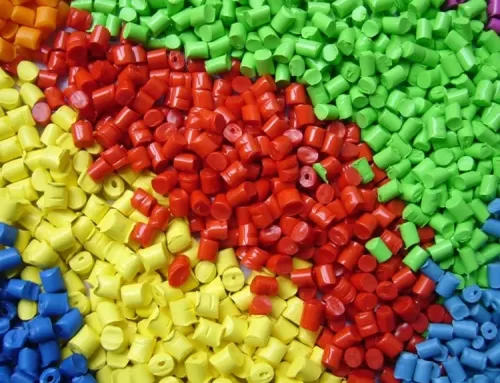
Color matching of color masterbatch is one of the key links in the manufacturing of plastic products, which directly determines the color performance of the final product. Following some basic principles in the color matching process of color masterbatches can help us achieve accurate and stable color effects. This article will introduce the principles that color masterbatch color matching should follow to help manufacturers achieve excellent results in color design and production processes.
Clear definition of color objectives:
It is crucial to clearly define the required color objectives before starting color matching. This includes specific color tone, saturation, and brightness requirements. Clear color objectives can guide subsequent color matching work and ensure that the final product meets the expected color requirements.
Select high-quality raw materials:
Choosing high-quality substrates and pigments is the key to color matching. The quality of the base material directly affects the coloring effect and color stability, while the quality of the pigment determines the saturation and accuracy of the color. Ensure the selection of certified suppliers and raw materials that meet quality standards to ensure the reliability and stability of color matching.
Gradual color matching and testing:
The color matching process should be gradual, with a small amount of color masterbatch added each time, followed by testing and evaluation. This can detect and adjust any color deviation in a timely manner, and ensure that the final color is consistent with the target. Regularly conduct laboratory tests and actual production sample inspections to ensure color consistency and stability.
Pay attention to the dispersibility and stability of color masterbatches:
The dispersion and stability of color masterbatches are crucial for the final color effect. Good dispersion can ensure uniform color distribution, while stability can maintain long-term color stability. In the color matching process, color masterbatch products with excellent dispersibility and stability should be selected, and correct processing parameters and processes should be ensured.
Color matching records and quality control:
Detailed records should be kept during the color matching process, including the formula and operating parameters for each color matching. This allows for traceability and replication to ensure consistent color effects. In addition, establish a strict quality control process, including the inspection and evaluation of color matching samples, to ensure the consistency and reliability of production batches.
Conclusion:
Color matching is an important step in the production of color masterbatches, and following color matching principles can help us achieve accurate and stable color effects. By clearly defining color goals, selecting high-quality raw materials, gradually matching and testing colors, emphasizing the dispersion and stability of color masterbatches, and establishing color matching records and quality control processes, we can produce color masterbatch products that meet customer needs and have high-quality colors.
Note: The above content is for reference only, and the specific color matching process and principles may vary depending on different situations. It is recommended to adjust and optimize according to the actual situation.