Introduction:
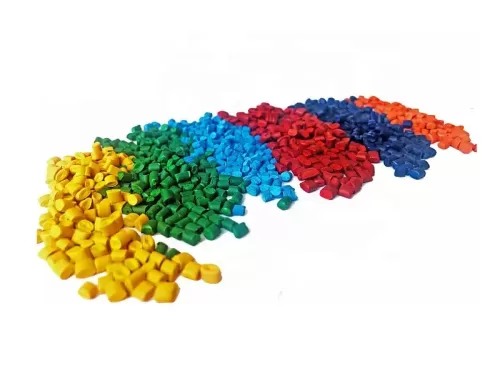
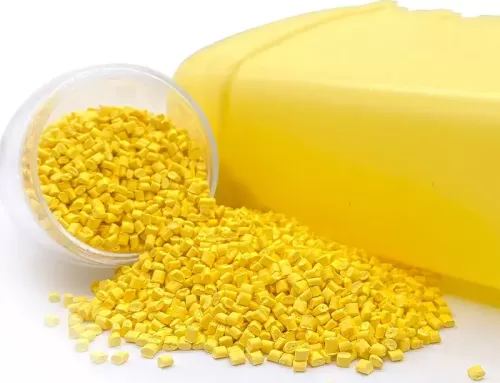
As a manufacturer of color masterbatches, we are well aware of the importance of PET color masterbatches in the plastic industry. This article will provide a brief analysis of the raw materials and processes of PET masterbatches, aiming to help manufacturers understand how to optimize the color performance of PET masterbatches and meet customer needs.
Raw material selection:
The selection of raw materials for PET masterbatch plays a crucial role in the color performance of the final product. When selecting raw materials, the following aspects should be considered:
Pigment selection: Choose stable organic or inorganic pigments suitable for PET materials to ensure long-term color stability.
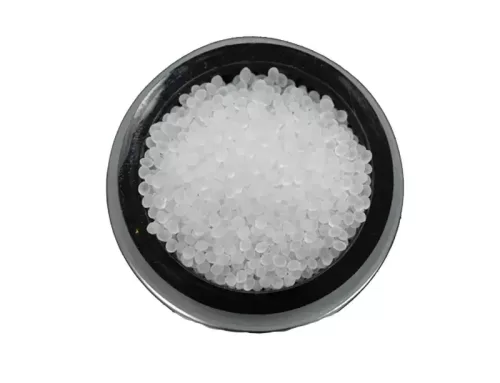
Color masterbatch base material: Choose high-quality PET base material as the carrier of the color masterbatch to ensure compatibility with PET materials and good processing performance.
Additive selection: add appropriate additives, such as solubilizer, antioxidant, etc., as required to improve the dispersion and anti-aging performance of color masterbatch.
Process control:
The process control of PET masterbatch is equally important for color performance. Here are some key points:
High temperature melting: The melting temperature of PET masterbatch is usually high, and it is necessary to ensure that the melting temperature is appropriate and stable to avoid color distortion or fading.
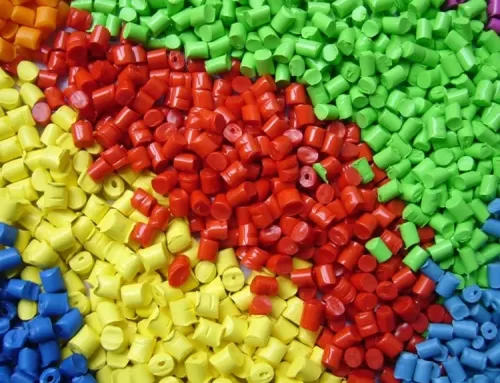
Uniform mixing: During the preparation process of color masterbatch, ensure the uniform mixing of pigments, substrates, and additives to obtain a consistent color distribution.
Cooling and granulation: The correct cooling and granulation process can maintain the physical properties and color stability of the color master batch.
Conclusion:
By optimizing the raw material selection and process control of PET masterbatch, the color performance and stability of the masterbatch can be improved. As a color masterbatch manufacturer, we are committed to providing high-quality PET color masterbatch products and related technical support to help customers achieve accurate color expression and consistency.
Note: The information in this article is for reference only and should be adjusted and optimized according to the actual situation in production.