Introduction:
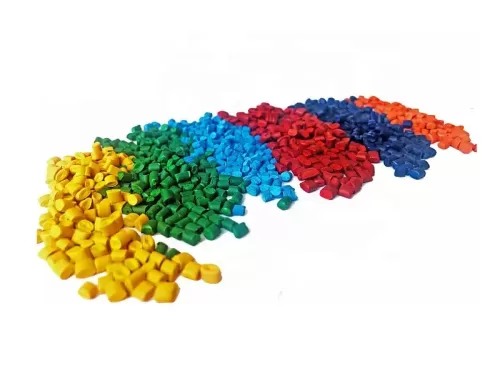
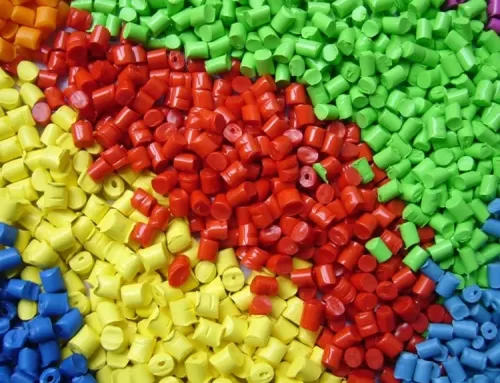
Masterbatch plays a crucial role in the plastic industry, allowing manufacturers to add vibrant and consistent colors to their plastic products. One important characteristic of masterbatch is its density, which impacts various aspects of the manufacturing process and final product performance. In this article, we will delve into the concept of masterbatch density, its significance, and its implications in color masterbatch manufacturing.
How to test the density of masterbatch? There are many methods in the industry, and the results obtained by different methods are very different. Is there a better and correct test method that can quickly measure the density of the masterbatch?
The precise test method for masterbatch density is as follows:
●Using the density bottle method to measure, this method has high requirements for operation, no air bubbles, and the test temperature also has a certain influence on the density;
●Using density gradient meter measurement, accurate measurement, easy operation;
●It is measured by an electronic hydrometer suitable for solids, also called an electronic specific gravity balance. The principle is Archimedes’ law, and it can be accurate to four digits.
What is Masterbatch Density?
Masterbatch density refers to the mass per unit volume of the masterbatch material. It is typically expressed in grams per cubic centimeter (g/cm³) or kilograms per cubic meter (kg/m³). The density of masterbatch is influenced by the composition of its components, including the pigments, carrier resins, additives, and fillers.
Importance of Masterbatch Density:
Dispersion and Mixing: The density of masterbatch is crucial for achieving uniform dispersion and mixing with the base polymer. Masterbatch with a similar density to the base polymer facilitates better distribution of colorant particles, resulting in consistent coloration throughout the final product.
Dosage Accuracy: Masterbatch density affects the accuracy of dosing during the production process. If the density of the masterbatch differs significantly from the base polymer, it may lead to inaccurate dosing and color inconsistencies in the final product.
Processing Conditions: Masterbatch density can impact the processing conditions, including melt flow properties and melt viscosity. A close match in density between the masterbatch and base polymer ensures better processability and compatibility during extrusion, injection molding, or other processing methods.
Mechanical Properties: Density variations in masterbatch can influence the mechanical properties of the final product. Differences in density may lead to changes in the strength, stiffness, and impact resistance of the colored plastic.
Cost Optimization: Masterbatch density can also play a role in cost optimization. Adjusting the density of masterbatch to match the base polymer reduces the amount of material required for achieving the desired color, leading to cost savings.
Implications in Color Masterbatch Manufacturing:
When manufacturing color masterbatch, it is crucial to consider the density of both the colorant and the carrier resin. Close matching of densities between the colorant and carrier resin ensures better dispersion, accurate dosing, and consistent color performance. Additionally, selecting a carrier resin with a density similar to the base polymer helps maintain the overall density of the final colored plastic product.
Conclusion:
Masterbatch density is a critical parameter in color masterbatch manufacturing. Matching the density of the masterbatch components with the base polymer ensures uniform dispersion, accurate dosing, and consistent color performance. As a reputable color masterbatch manufacturer, we understand the importance of density in achieving high-quality, reliable color solutions. Contact us today to discuss your color masterbatch requirements and benefit from our expertise in providing masterbatch products with optimized density for your specific applications.