Introduction:
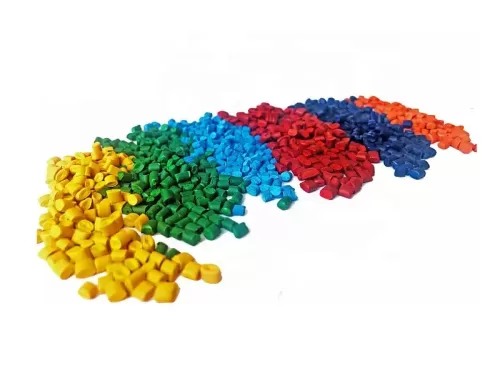
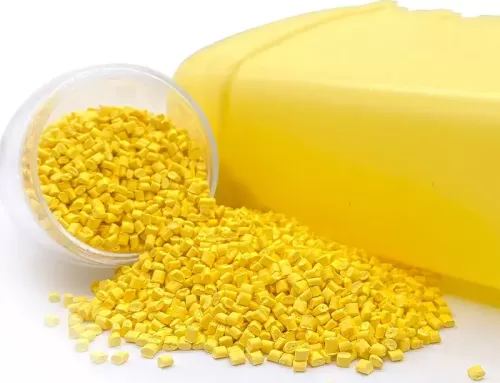
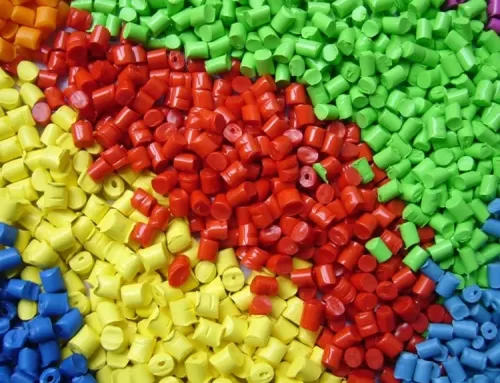
Color masterbatch plays a vital role in the plastic industry, enabling manufacturers to add vibrant and consistent colors to their plastic products. When it comes to choosing the right color masterbatch, understanding the differences between various types is essential. In this article, we will explore the dissimilarities between HDPE (High-Density Polyethylene) color masterbatch and LDPE (Low-Density Polyethylene) color masterbatch, helping you make informed decisions for your specific application requirements.
High density polyethylene
HDPE is non-toxic, odorless, and odorless, with a density of 0.940-0.976g/cm3. It is a product of polymerization under low-pressure conditions catalyzed by Ziegler catalysts, so high-density polyethylene is also known as low-pressure polyethylene.
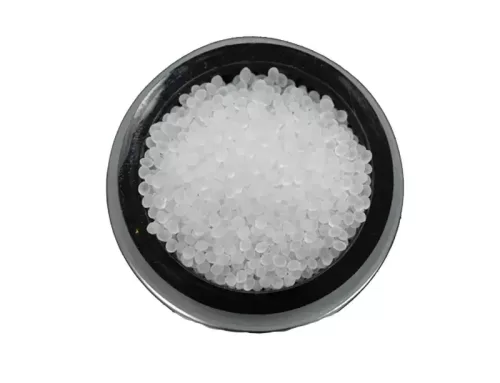
Advantages: HDPE is a thermoplastic resin with high crystallinity and non polarity generated by ethylene copolymerization. The appearance of HDPE in its original state is milky white, with a certain degree of translucency on its thin cross-section. It has excellent resistance to most household and industrial chemicals, and can resist the corrosion and dissolution of strong oxidizing agents (concentrated nitric acid), acid alkali salts, and organic solvents (carbon tetrachloride). This polymer is non hygroscopic and has good waterproof and vapor resistance, making it suitable for moisture-proof and anti-seepage purposes.
Disadvantages: The disadvantage is that the aging resistance and environmental stress cracking resistance of LDPE are not as good as LDPE, especially due to thermal oxidation, which can reduce its performance. Therefore, when making plastic rolls, high-density polyethylene adds antioxidants and ultraviolet absorbers to improve its shortcomings.
low density polyethylene
LDPE is non-toxic, odorless, and odorless, with a density of 0.910-0.940g/cm3. It is polymerized under high pressure of 100-300MPa using oxygen or organic peroxides as catalysts, also known as high-pressure polyethylene.
Advantages: Low density polyethylene is the lightest variety among polyethylene resins. Compared with high-density polyethylene, its crystallinity (55%~65%) and softening point (90~100 ℃) are lower;
Has good softness, elongation, transparency, cold resistance, and processability; Its chemical stability is good, and it can resist acid, alkali and salt aqueous solutions; Having good electrical insulation and breathability; Low water absorption; Easy to burn.
It is soft, with good extensibility, electrical insulation, chemical stability, processing performance and low temperature resistance (- 70 ℃).
Disadvantages: The disadvantage is its poor mechanical strength, moisture resistance, air resistance, and solvent resistance. The molecular structure is not regular enough, the crystallinity (55% – 65%) is low, and the crystallization melting point (108-126 ℃) is also low. Its mechanical strength is lower than that of high-density polyethylene, and its anti-seepage coefficient, heat resistance, and resistance to sunlight aging are poor. It is easy to age and decompose under sunlight or high temperature, leading to color change, resulting in a decrease in performance. Therefore, low-density polyethylene is added with antioxidants and ultraviolet absorbers to improve its shortcomings when making plastic rolls.
Polymer Composition:
The primary difference between HDPE and LDPE color masterbatch lies in the polymer composition. HDPE is a high-density thermoplastic made from ethylene monomer, resulting in a more rigid and durable material. LDPE, on the other hand, is a low-density thermoplastic that possesses more flexibility and resilience.
Melt Flow Index (MFI):
HDPE and LDPE color masterbatch also differ in their melt flow index, which measures the ease of flow during processing. HDPE has a lower melt flow index, indicating a slower and more controlled flow rate. LDPE, with a higher melt flow index, exhibits better flow properties and is easier to process.
Physical Properties:
Due to their different polymer structures, HDPE and LDPE color masterbatch exhibit variations in physical properties. HDPE provides excellent stiffness, strength, and resistance to impact, making it suitable for applications requiring structural integrity. LDPE, on the other hand, offers greater flexibility, toughness, and elongation, making it ideal for applications requiring good tensile strength and impact resistance.
Application Suitability:
The choice between HDPE color masterbatch and LDPE color masterbatch depends on the specific application requirements. HDPE color masterbatch is commonly used in applications such as rigid containers, pipes, automotive components, and construction products. LDPE color masterbatch finds its applications in flexible packaging, agricultural films, squeeze bottles, and various consumer goods.
Processing Considerations:
HDPE and LDPE color masterbatch may have different processing characteristics. HDPE requires higher processing temperatures and longer cooling times due to its higher melting point. LDPE, with its lower melting point, can be processed at lower temperatures and exhibits faster cooling times.
Conclusion:
Understanding the differences between HDPE color masterbatch and LDPE color masterbatch is crucial in selecting the appropriate product for your specific plastic application. HDPE offers rigidity, strength, and durability, while LDPE provides flexibility, toughness, and good impact resistance. By considering the polymer composition, melt flow index, physical properties, application suitability, and processing requirements, you can make informed decisions when choosing between HDPE color masterbatch and LDPE color masterbatch. As a reliable color masterbatch manufacturer, we offer a comprehensive range of products tailored to meet your specific needs. Contact us today to discuss your color masterbatch requirements and find the perfect solution for your plastic applications.