Plastic masterbatch and plastic granules are two important materials used in the plastic industry. Although they may seem similar, there are some key differences between them.
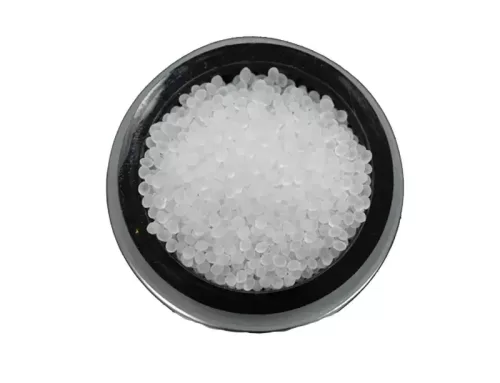
Plastic granules, also known as plastic resin, are raw plastic materials that are typically in a pellet form. These pellets are then melted down and molded into various plastic products through processes such as injection molding, extrusion, or blow molding. Plastic granules come in a variety of colors and types, but they are not as finely tuned as masterbatch.
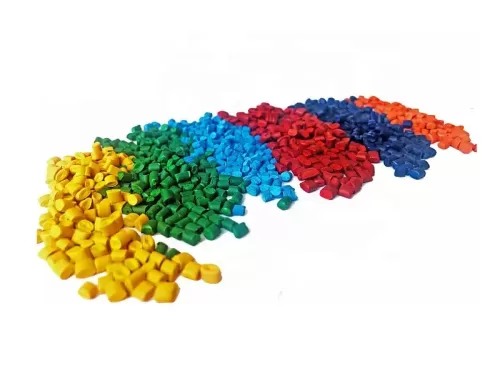
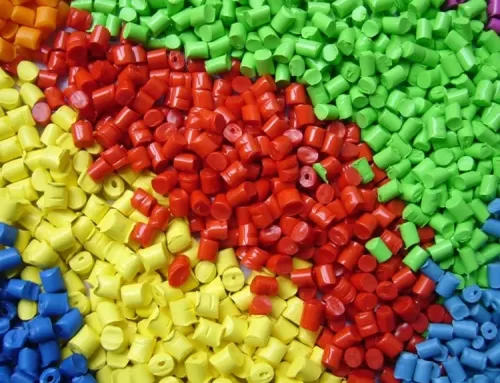
Masterbatch, on the other hand, is a concentrated mixture of pigments or additives that are dispersed into a carrier resin, typically polyethylene or polypropylene. The pigments or additives are in a highly concentrated form, and are used to color or modify the properties of the final plastic product. Masterbatch is typically sold in small pellets that are added to the plastic resin during the manufacturing process.
One of the main advantages of using masterbatch over traditional plastic granules is that it allows for a greater degree of control over the color and properties of the final plastic product. Masterbatch is also more cost-effective and environmentally friendly than traditional plastic granules, as it uses less pigment and produces less waste.
In summary, while plastic granules are the raw materials used to create plastic products, masterbatch is a concentrated mixture of pigments or additives that are added to plastic granules to color or modify the properties of the final product. Masterbatch provides greater control over the final product, is more cost-effective, and produces less waste than traditional plastic granules.
What Is the Difference Between Color Masterbatch and Plastic Particles
What is a color masterbatch? It is a plastic colorant composed of a high proportion of pigments or additives and thermoplastic resin, which are then well dispersed. The selected resin has good wetting and dispersion to the colorant, and has good compatibility with the colored material. Therefore, it is a color masterbatch formed by pigment+carrier+additive=color masterbatch. However, we know that color masterbatches belong to plastic products, and there is no difference in shape from ordinary products.
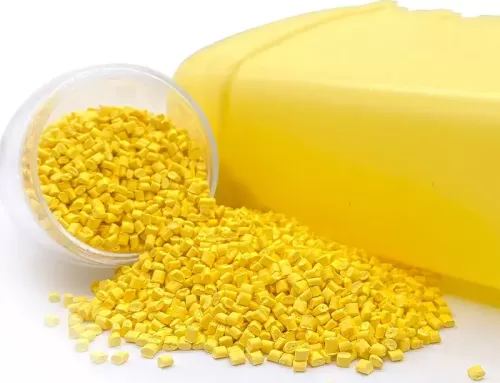
Color masterbatch is a colored plastic particle made by mixing resin raw materials and pigment additives in factories, but its main function is coloring. After all, it has been evenly mixed with the matrix resin, and can be directly mixed with the matrix resin and other additives to obtain colored plastic products.
Plastic particles are a wide range of materials, such as new materials, recycled color masterbatches, and crushed materials. However, color masterbatches are color concentrated masterbatches made solely from carriers, which can also be understood as color concentrated masterbatches. Generally, there are specialized masterbatches and black and white color masterbatches. Refers to the product of mixing all granular plastics and other additives, and color masterbatch is also a type of plastic particle.