Plastics can be colored using a variety of colorants, each with its own properties and characteristics. Here are some of the most commonly used colorants for plastics:
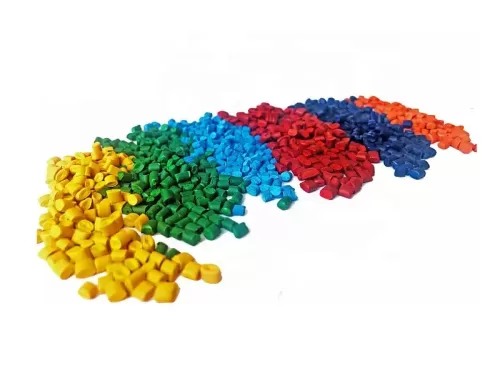
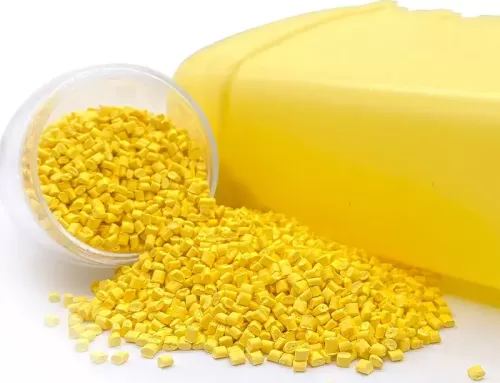
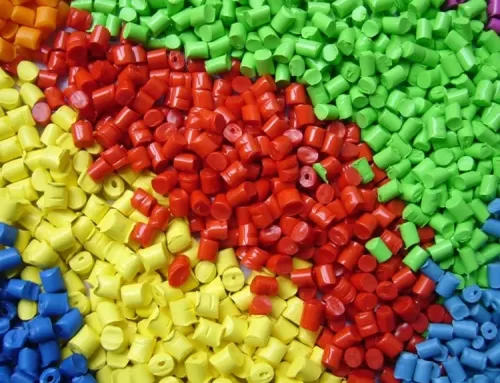
Masterbatch: Masterbatch is a concentrated mixture of pigments or dyes that is added to the plastic during processing to achieve the desired color. It is a convenient and cost-effective way to color plastics and allows for precise control over the final color.
Pigments: Pigments are finely ground solid particles that provide color when dispersed in a plastic matrix. They are the most widely used type of colorant for plastics due to their excellent heat and light stability, good dispersion properties, and ease of use.
Dyes: Dyes are soluble colorants that are used to color transparent or translucent plastics. They are typically more vibrant than pigments but are not as stable and can fade over time.
Liquid colorants: Liquid colorants are pre-dispersed colorants in liquid form that are added to the plastic during processing. They are ideal for coloring small batches or for situations where precise color control is required.
Special effect pigments: Special effect pigments are used to create unique and eye-catching visual effects, such as metallic, pearlescent, or glitter finishes. They can be added to plastics using masterbatch or other types of colorants.
Overall, the choice of colorant depends on the specific requirements of the application, such as the desired color, stability, and processing conditions. A reputable color masterbatch manufacturer can provide guidance on selecting the right colorant for a given application.
You might ask if pigments alone can be added during the plastics producing process and the answer is yes. But it certainly isn’t what most plastic and synthetic fibers producers really do. Adding pigment by itself to these products does not disperse well in their equipment. Masterbatch is designed and engineered for optimal dispersion in a polymer matrix. Therefore, products made with masterbatch are consistent with one another and consistent from lot to lot, and even within lots. Masterbatches will give your products the ultimate opacity or transparency, depending on the desired effect. You realize full color value in your products because of the optimal dispersion of the pigment particles. You will also use less pigment when it’s delivered in masterbatch form because of masterbatch’s optimal, pure dispersion.
There are other advantages to color concentrates. Raw pigment can become airborne in manufacturing plants, contaminating other products being made on other manufacturing lines. Color concentrates are much easier to feed and handle during the manufacturing process. You can also match up the polymer you are coloring with the same polymer binder in the masterbatch for better melt processing. And because we make additive concentrates as well as color, we can create an all-in-one, multi-attribute masterbatches containing color and your choice of functional additives such as UV stabilizers, antioxidants, flame retardants and optical brighteners. So instead of having to feed many ingredients into your plastic processing equipment, you could use just one concentrate with predetermined ratios of ingredients to make your life a whole lot easier.
It has been said that masterbatch can be compared with Kool-Aid. A packet of Kool-Aid contains concentrated color and ingredients that give the drink flavor and aroma. When mixed with sugar and water (which are comparable to the polymer in plastics) these ingredients disperse evenly throughout the pitcher, making a drink that looks, smells and tastes great.