Polyvinyl Chloride (PVC) is a widely used thermoplastic polymer that finds applications in various industries such as construction, healthcare, automotive, and packaging. PVC can be processed using a variety of methods, including extrusion, injection molding, and blow molding. One way to enhance the performance of PVC is by using PVC masterbatches, which are specially formulated colorants or additives that are incorporated into the PVC resin to provide desired properties.
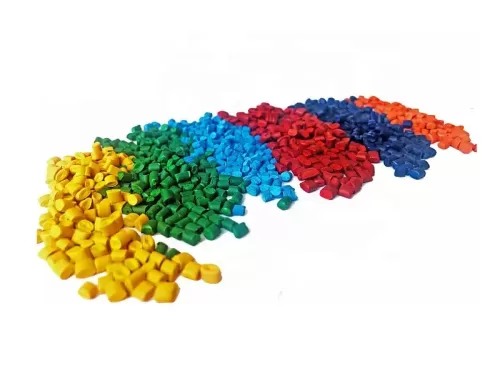
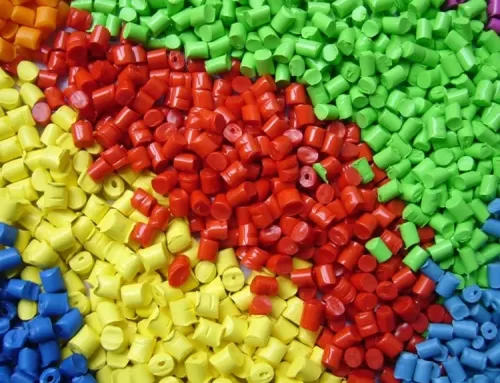
PVC masterbatches are formulated by mixing PVC resin with pigments, stabilizers, lubricants, and other additives in a specialized mixing equipment such as a twin-screw extruder. The resulting blend is then pelletized into small pellets known as masterbatches. These masterbatches can be further mixed with the PVC resin during processing to achieve the desired color or property.
One of the most significant advantages of using PVC masterbatches is that they offer a high level of consistency in color and properties. The use of masterbatches ensures that the PVC product’s color is consistent throughout, eliminating the need for manual color matching. Additionally, masterbatches can also improve the overall performance of PVC products by enhancing their weatherability, UV resistance, flame retardancy, and processing efficiency.
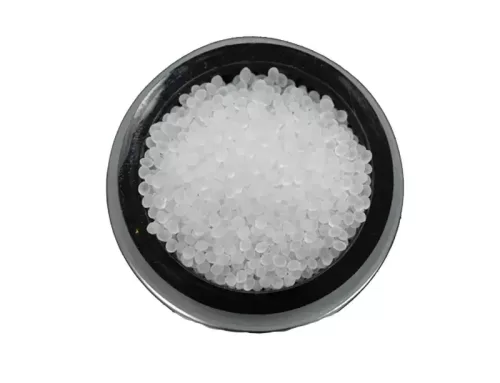
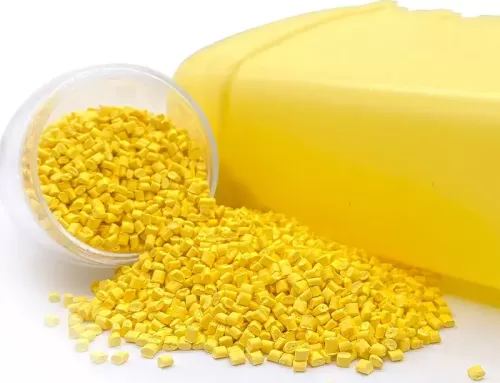
PVC masterbatches are available in various forms, such as solid color, translucent, opaque, and special effect masterbatches. Solid color masterbatches are used to achieve consistent colors in PVC products, while translucent and opaque masterbatches are used to provide a degree of transparency or opacity, respectively. Special effect masterbatches, such as metallic or pearlescent masterbatches, are used to create unique visual effects on the surface of PVC products.
When checking the quality of color masterbatches, you cannot ignore the following points:
- 1. The dryness and high moisture content of the color masterbatch can lead to poor spinning quality;
- 2. The quantity provided by color masterbatch enterprises is generally based on weight ratio content, rather than volume. Therefore, when selecting color masterbatches, accurate calibration is required for measurement comparison;
- 3. Many non-woven fabric enterprises rely on experience when purchasing, but in reality, different process conditions, raw materials, fiber sizes, non-woven fabric weights, roller temperatures, pressures, and rolling point shapes can all have an impact on color. Therefore, procurement personnel need to fully evaluate the company’s production process before purchasing and strictly follow the production process quality management procedures to determine, Ensure the perfect color of the finished product;
- 4. Choosing stable and reliable suppliers is particularly important. Because the production processes of different color masterbatch suppliers are different, it is easy to have a certain impact on the production stability and quality stability of non-woven fabric enterprises.