1. What is color masterbatch?
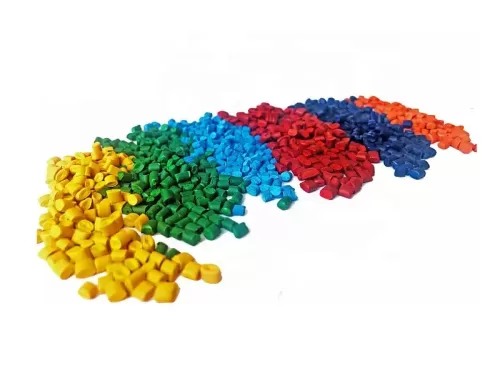
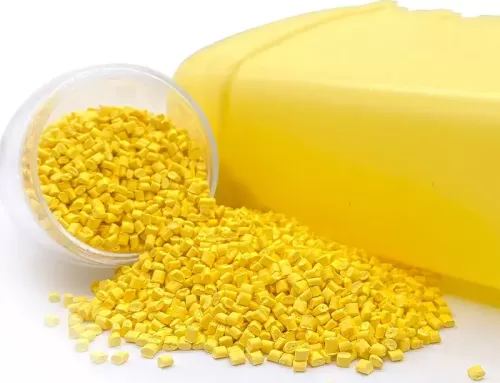
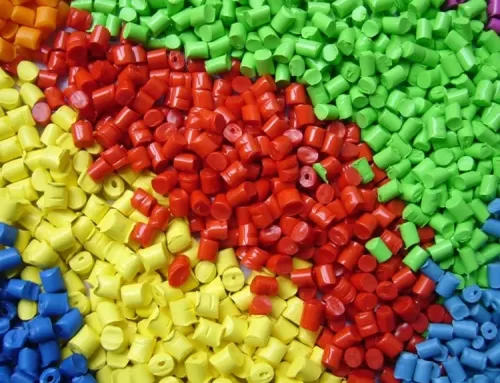
Color Masterbatch, is a new type of polymer material specific colorant, also known as Pigment Preparation.
It is composed of three basic elements: pigment or dye, carrier, and additive. It is an aggregate obtained by uniformly attaching a super constant pigment or dye to a resin, and can be called a Pigment Concentration. Therefore, its coloring power is higher than that of the pigment itself.
In short, color masterbatch is an aggregate made by uniformly attaching super constant pigments or dyes to a resin.
2. What are the basic components of color masterbatch?
The basic components of color masterbatch are:
2.1. Pigments or dyes
Pigments are further divided into organic pigments and inorganic pigments.
Commonly used organic pigments include phthalocyanine red, phthalocyanine blue, phthalocyanine green, light fast bright red, macromolecular red, macromolecular yellow, azo red, etc.
Commonly used inorganic pigments include cadmium red, cadmium yellow, titanium dioxide, carbon black, iron oxide red, iron oxide yellow, etc.
2.2. Carrier
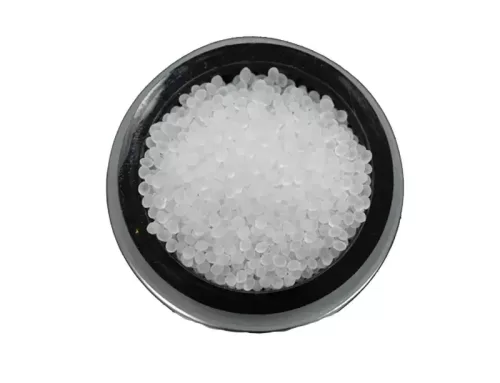
The carrier is the matrix of the color master batch. Special color masterbatch generally selects the same resin as the product resin as the carrier, with the best compatibility between the two, but also considering the fluidity of the carrier.
2.3. Dispersant
Promote the uniform dispersion of pigments and prevent them from agglomerating. The melting point of dispersants should be lower than that of resins, with good compatibility and affinity with pigments. The most commonly used dispersants are polyethylene low molecular wax and stearate.
2.4. Additives
Varieties such as flame retardant, brightening, antibacterial, anti-static, antioxidant, etc. Generally, the color masterbatch does not contain the aforementioned additives unless requested by the customer.
3. What are the varieties and grades of color masterbatch?
There are several commonly used methods for classifying color masterpieces:
Classified by carrier: such as PE masterbatch, PP masterbatch, ABS masterbatch, PVC masterbatch, EVA masterbatch, etc;
Classified by purpose: such as injection masterbatch, blow molding masterbatch, spinning masterbatch, etc.
Each variety can be divided into different levels, such as:
3.1. Advanced injection color masterbatch: used for cosmetic packaging boxes, toys, electrical casings, and other advanced products.
3.2. Ordinary injection color masterbatch: used for general daily plastic products, industrial containers, etc.
3.3. Advanced blown film color masterbatch: used for blow molding and coloring of ultra-thin products.
3.4. Ordinary blown film color masterbatch: used for blow molding and coloring of general packaging bags and woven bags.
3.5. Spinning masterbatch: Used for spinning and coloring textile fibers. The masterbatch pigment has fine particles, high concentration, strong coloring power, good heat and light resistance.
3.6. Low grade color masterbatch: used to manufacture low-grade products with low requirements for color quality, such as trash cans, low-level containers, etc.
3.7. Special color masterbatch:
It is a color masterbatch manufactured by selecting the same plastic as the carrier based on the plastic variety specified by the user for the product. For example, PP and ABS masterbatches are used as carriers respectively.
3.8. Universal color masterbatch: Some resin (often low melting point PE) is also used as a carrier, but it can be used for coloring other resins besides its carrier resin.
Universal color masterbatch is relatively simple and convenient, but it has many drawbacks. The heat resistance level of specialized color masterbatch is generally suitable for the plastic used in products, and can be used with confidence at normal temperatures. Only in the following situations can it cause varying degrees of discoloration: firstly, the temperature exceeds the normal range, and secondly, the shutdown time is too long.
Compared to granulation coloring, masterbatch coloring has the following advantages:
4.1 Coloring and product processing are completed in one go, avoiding the heating process of granulation and coloring on plastic, which is beneficial for protecting the quality of plastic products.
4.2 Simplify the production process of plastic products.
4.3 can save a lot of electricity.
5. Why use color masterbatch?
The use of color masterbatch has the following advantages:
5.1. Improve the dispersibility of pigments in products
Color masterbatch is an aggregate made by uniformly attaching super constant pigments to a resin.
During the production process of color masterbatch, it is necessary to refine the pigments to improve their dispersibility and coloring power. The carrier of the specialized color masterbatch is the same as the plastic variety of the product, and has good compatibility. After heating and melting, the pigment particles can be well dispersed in the plastic of the product.
5.2. It is conducive to maintaining the chemical stability of pigments
If pigments are directly used, due to direct contact with air during storage and use, the pigments will experience water absorption, oxidation, and other phenomena. After being made into color masterbatch, the resin carrier separates the pigments from air and water, which can maintain the quality of the pigments for a long time.
5.3. Ensure the stability of product color
The color masterbatch particles are similar to resin particles, making them more convenient and accurate in measurement. When mixed, they do not adhere to the container, and the mixing with the resin is also more uniform. Therefore, the stability of the addition amount can be ensured, thereby ensuring the stability of the product color.
5.4. Protect the health of operators
Pigments are generally powdery and can easily fly when added and mixed, which can affect the health of operators when inhaled by the human body.
5.5. Keep the environment clean and avoid contaminating utensils
5.6. Simple process, easy color conversion, saving time and raw materials
Due to direct contact with air during the storage and use of pigments, phenomena such as moisture absorption, oxidation, and agglomeration can occur. Direct use can cause color spots on the surface of plastic products, darken the color phase, easily fade, and cause dust to fly during mixing, affecting the health of operators.
During the production process, the color masterbatch undergoes mechanical processing to refine the pigment, fully mixing the pigment with resin carriers and dispersants, isolating the pigment from air and water, thereby enhancing the weather resistance of the pigment, improving its dispersibility and coloring power, and resulting in a bright color. Due to the similar shape of the color masterbatch and resin particles, it is more convenient and accurate in measurement. When mixed, it will not adhere to the container, thus saving time for cleaning the container and machine, as well as the raw materials used for cleaning the machine.